Learning Disability has been discussed for more than a century, but recent scientific advances have brought far greater clarity to what it is—and what it is not. Today, researchers widely agree that Learning Disability is a brain-based learning difference, occurring on a spectrum, unrelated to intelligence, and rooted primarily in challenges with phonological processing, decoding, spelling, and working memory. These insights are crucial because misunderstandings about Learning Disability continue to persist, especially the long-debunked idea that it is a visual problem involving reversed letters. Accurate understanding is the first step toward ensuring children receive the right support.
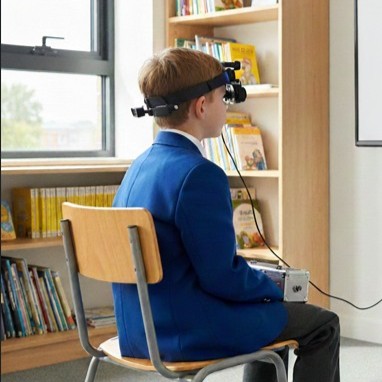
One of the most important lessons from current research is the value of early screening. Early identification is not merely a diagnostic exercise—it is a protective factor. Without it, many children experience years of frustration, low confidence, behavioural challenges, school avoidance, and long-term academic consequences. When screening is done early, children can access intervention early , dramatically improving outcomes.
Effective intervention also depends on recognising what Learning Disability actually affects. Because the core difficulty lies in phonological and decoding processes, the most successful approaches are explicit, systematic, and structured. Multisensory, phonics-based methods have consistently shown strong results across diverse learners, helping build the neural pathways necessary for fluent reading. These are not quick fixes or narrow skill drills—they are evidence-based ways of teaching the foundational mechanics of reading so that comprehension and higher-order literacy can flourish.
Neuroscience adds another layer of clarity. Modern brain imaging reveals distinct patterns in how dyslexic readers process language, confirming a biological basis and reinforcing why specific types of instruction are necessary. When teaching aligns with how the dyslexic brain learns, children make meaningful, lasting progress.
Ultimately, understanding Learning Disability accurately—its definition, its early signs, its biological underpinnings, and its proven interventions—is essential. Early screening, informed instruction, and timely support give children not just the ability to read, but the confidence and opportunity to thrive academically and emotionally.