
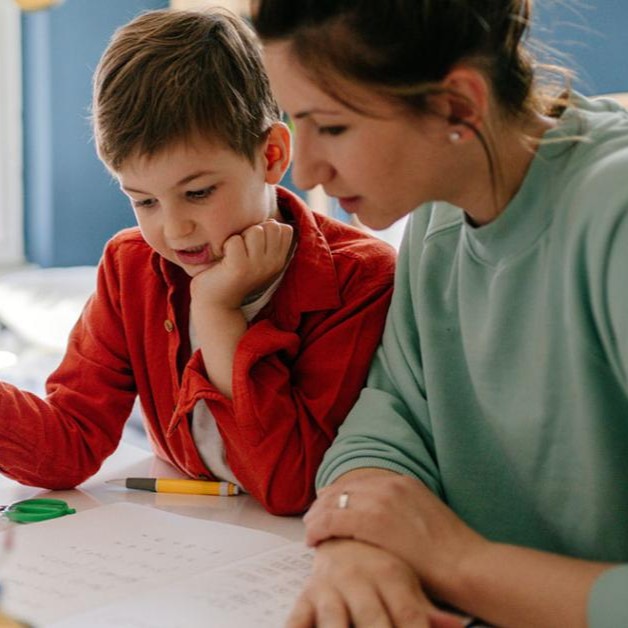
Parenting a child with Learning Disability can feel overwhelming at first—especially where academic performance is often seen as the ultimate measure of success. But with awareness, patience, and the right support, parents can help their children not just cope but thrive. Learning Disability does not reflect a child’s intelligence—it simply means they learn differently. Here is how you can make that difference.
Understand What Learning Disability Is—and Isn’t
Learning Disability affects how the brain processes language. Children may struggle with reading, spelling, or writing, but they often have above-average creativity, problem-solving, and visual reasoning skills. Recognizing this early helps shift focus from “weakness” to “different learning style.” Don’t let outdated myths discourage you—Learning Disability is lifelong, but entirely manageable with the right approach.
Build a Supportive Home Environment
Create a space where mistakes are part of learning. Praise effort, not just grades. Encourage reading in fun ways—through comics, audiobooks, or reading aloud together, in your child’s preferred language. Avoid comparing them to others; instead, celebrate every small victory. Remember, confidence is the foundation for all learning.
Collaborate with Teachers and Schools
Speak to your child’s school about screening and accommodations. Under India’s RPWD Act and NEP 2020, schools are encouraged to support children with Specific Learning Disabilities (SLDs). Request extra reading time, oral testing options, or use of assistive tools like text-to-speech apps. Working together with teachers ensures consistency between school and home.
Use Technology as an Ally
Tools like speech-to-text software, audiobooks, and educational apps can make learning enjoyable and stress-free. Technology can help bridge the gap to some extent between your child’s potential and performance.
Focus on Strengths, Not Shortcomings
Many successful people from entrepreneurs to artists—think differently because they see the world differently. Help your child discover what excites them—music, science, storytelling, or design. Dyslexic thinkers often excel when creativity and curiosity are valued.
Seek Expert Guidance Early
Consult a psychologist or special educator for assessment and personalized strategies. Early intervention can prevent frustration and rebuild confidence.
Parenting a dyslexic child is a journey of patience, advocacy, and pride. When nurtured with understanding and encouragement, these children grow into innovative, empathetic, and resilient adults—exactly what India’s future needs.